Hobbies & Pets
6 Vet-Approved Signs of a Joyful Dog
By
•
Mar 10, 2026
•
5 Views
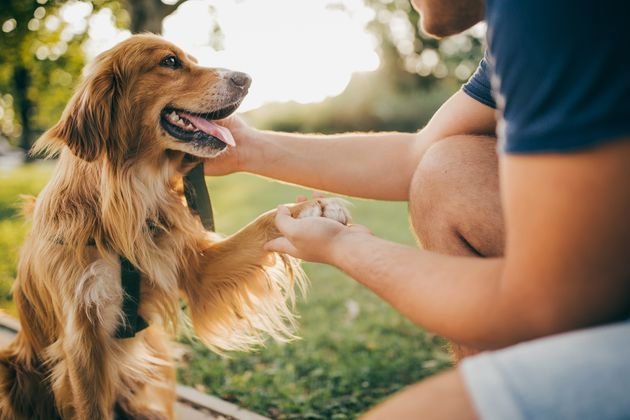
Many dog owners would likely enjoy understanding what their dogs pet is contemplating. Unfortunately, our dogs cannot express themselves verbally, which makes it challenging to determine whether they're genuinely content or merely adapting to their environment.
Although nobody can decipher a dog's thoughts, veterinarians serve as our nearest approximation of canine translators — they assert that specific actions and routines might signal whether your dog leads a joyful and satisfied existence. (Certainly not tail-wagging does not necessarily mean That your dog is filled with joy.
Here, veterinarians provide insights into recognizing when your dog is content and suggest ways to enhance your pet's happiness:
Their fundamental requirements are fulfilled.
It's difficult to feel happy when fundamental requirements aren't fulfilled, and this applies to dogs as well.
"When 'happiness' comes to mind, I associate it with well-being and ensuring that a dog’s every requirement is fulfilled," he stated. Dr. Kate Anderson , a veterinary behaviorist at Cornell University’s Duffield Institute for Animal Behavior in New York. "This concept dates back quite some time, even to the 1960s."
Anderson referenced The five liberties of animal care — Freedom from hunger and thirst; freedom from discomfort; freedom from pain, injury, and illness; freedom to express natural behaviors; and freedom from fear and distress.
Today, our comprehension of what makes dogs happy extends far beyond such basic indicators, Anderson pointed out. (This also applies to human happiness, which is evident from the plethora of self-help literature available on the subject.) However, ensuring they have their fundamental requirements fulfilled is certainly a positive start.
Their body language appears very laid-back.
Joyful dogs typically display very casual body language," Anderson stated. "There should be no signs of tension. Their ears ought not to be flattened backward. The whites of their eyes should remain hidden. Depending on their breed, their tails should either stand at a typical 90-degree angle relative to their bodies or simply hang loosely.
Dr. Kristi Flynn , a primary care veterinarian at the University of Minnesota’s College of Veterinary Medicine, noted that their weight should be uniformly distributed across all four legs. It's important they do not lean backward or hold one foot up.
We can imagine the dogs lounging in the backyard under the sunlight, sprawled on their sides with completely relaxed bodies," Flynn stated. "To me, this is a clear indication of a joyful or satisfied dog.
Anderson mentioned that your dog probably feels quite content if they move with loose, relaxed actions, appearing as floppy as noodles.
Their faces appear quite calm.
Flynn pointed out that dogs and humans share comparable facial muscles, which means specific facial expressions can indicate whether they feel satisfied.
She mentioned these include "a smooth forehead without wrinkles," as well as looking "unstrained around the eyes and unstrained around the mouth."
Consider this: When you're feeling distressed, your lips might droop and your eyes could narrow. These aren’t signs of an upbeat expression. happy person Or dog. Therefore, if you observe a calm, relaxed expression on your dog’s face, you can safely assume they are in a good mood.
Your pet has a consistent daily schedule.
As with toddlers and young children, dogs prefer consistency, according to Anderson. "They do enjoy new experiences and excitement, but they also appreciate having some stability," she explained.
Anderson suggests that the most challenging periods for dogs occur when human routines shift. Such changes often take place during holidays, major trips, or returning to work after being at home.
Although vacations are certainly permitted—and returning to work might be beyond your control—it’s crucial to maintain a routine as much as you can with your pet. Additionally, it’s essential to create a new schedule whenever changes occur.
They participate in enrichment activities such as exercising, training, or playing with puzzle toys.
Ensuring your dog gets ample physical activity is crucial; besides helping maintain an optimal body weight, it can offer essential mental stimulation as well.
I classify exercise as part of enrichment activities," Anderson stated, "and this category covers quite a wide range of topics—it includes all those aspects of your life dedicated to taking care of yourself.
Apart from physical activity, this can also involve mental stimulation. For dogs, walking around qualifies, as does interacting with a puzzle toy or joining a training session.
"I promote and utilize evidence-backed, compassionate training techniques with my dogs and encourage clients and pet owners to do the same, as these approaches help minimize stress and conflicts," Flynn explained. Additionally, she pointed out that training helps maintain mental acuity in dogs regardless of their age. Therefore, even if your puppy is already house-trained and has mastered fundamental commands, continuous education remains essential.
“That can really bring them joy, and it’s a great way to bond with your pet and really strengthen that relationship,” Flynn said.
They possess an owner who is ready to speak up for their behalf.
Your canine might display body language indicating their current state of mind. Still, they cannot explicitly ask someone to step away; however, you can do so for them.
It's fine to express your dog's likes and dislikes to those surrounding you, be it family members or individuals on the sidewalk, according to Flynn.
Each dog possesses a distinct character; some are outgoing, whereas others are more reserved, she explained. Should you find yourself with a timid canine companion, it’s crucial to speak up for them by informing others about your pet's likes and dislikes. You could request that passersby refrain from touching your dog or instruct acquaintances to let your dog be when visiting.
It can be challenging to handle the social pressures from people's perspective while ensuring your dog feels at ease," Flynn stated. "Sometimes, I believe I've unintentionally allowed my dog to be in situations where he was not as comfortable as he should have been.
This isn't something that can be mastered immediately, but according to Flynn, it would be beneficial generally if people could allow a bit more room for one another's dogs.
"People mean well, but truly providing dogs with space and simply respecting their limits is crucial," she stated.
Similar to humans having personal preferences, dogs also possess them. If you compel your pet to act contrary to their inherent nature or distinct character traits, you will diminish their happiness—so why would anyone wish to do something like that?
Although nobody can decipher a dog's thoughts, veterinarians serve as our nearest approximation of canine translators — they assert that specific actions and routines might signal whether your dog leads a joyful and satisfied existence. (Certainly not tail-wagging does not necessarily mean That your dog is filled with joy.
Here, veterinarians provide insights into recognizing when your dog is content and suggest ways to enhance your pet's happiness:
Their fundamental requirements are fulfilled.
It's difficult to feel happy when fundamental requirements aren't fulfilled, and this applies to dogs as well.
"When 'happiness' comes to mind, I associate it with well-being and ensuring that a dog’s every requirement is fulfilled," he stated. Dr. Kate Anderson , a veterinary behaviorist at Cornell University’s Duffield Institute for Animal Behavior in New York. "This concept dates back quite some time, even to the 1960s."
Anderson referenced The five liberties of animal care — Freedom from hunger and thirst; freedom from discomfort; freedom from pain, injury, and illness; freedom to express natural behaviors; and freedom from fear and distress.
Today, our comprehension of what makes dogs happy extends far beyond such basic indicators, Anderson pointed out. (This also applies to human happiness, which is evident from the plethora of self-help literature available on the subject.) However, ensuring they have their fundamental requirements fulfilled is certainly a positive start.
Their body language appears very laid-back.
Joyful dogs typically display very casual body language," Anderson stated. "There should be no signs of tension. Their ears ought not to be flattened backward. The whites of their eyes should remain hidden. Depending on their breed, their tails should either stand at a typical 90-degree angle relative to their bodies or simply hang loosely.
Dr. Kristi Flynn , a primary care veterinarian at the University of Minnesota’s College of Veterinary Medicine, noted that their weight should be uniformly distributed across all four legs. It's important they do not lean backward or hold one foot up.
We can imagine the dogs lounging in the backyard under the sunlight, sprawled on their sides with completely relaxed bodies," Flynn stated. "To me, this is a clear indication of a joyful or satisfied dog.
Anderson mentioned that your dog probably feels quite content if they move with loose, relaxed actions, appearing as floppy as noodles.
Their faces appear quite calm.
Flynn pointed out that dogs and humans share comparable facial muscles, which means specific facial expressions can indicate whether they feel satisfied.
She mentioned these include "a smooth forehead without wrinkles," as well as looking "unstrained around the eyes and unstrained around the mouth."
Consider this: When you're feeling distressed, your lips might droop and your eyes could narrow. These aren’t signs of an upbeat expression. happy person Or dog. Therefore, if you observe a calm, relaxed expression on your dog’s face, you can safely assume they are in a good mood.
As with toddlers and young children, dogs prefer consistency, according to Anderson. "They do enjoy new experiences and excitement, but they also appreciate having some stability," she explained.
Anderson suggests that the most challenging periods for dogs occur when human routines shift. Such changes often take place during holidays, major trips, or returning to work after being at home.
Although vacations are certainly permitted—and returning to work might be beyond your control—it’s crucial to maintain a routine as much as you can with your pet. Additionally, it’s essential to create a new schedule whenever changes occur.
They participate in enrichment activities such as exercising, training, or playing with puzzle toys.
Ensuring your dog gets ample physical activity is crucial; besides helping maintain an optimal body weight, it can offer essential mental stimulation as well.
I classify exercise as part of enrichment activities," Anderson stated, "and this category covers quite a wide range of topics—it includes all those aspects of your life dedicated to taking care of yourself.
Apart from physical activity, this can also involve mental stimulation. For dogs, walking around qualifies, as does interacting with a puzzle toy or joining a training session.
"I promote and utilize evidence-backed, compassionate training techniques with my dogs and encourage clients and pet owners to do the same, as these approaches help minimize stress and conflicts," Flynn explained. Additionally, she pointed out that training helps maintain mental acuity in dogs regardless of their age. Therefore, even if your puppy is already house-trained and has mastered fundamental commands, continuous education remains essential.
“That can really bring them joy, and it’s a great way to bond with your pet and really strengthen that relationship,” Flynn said.
They possess an owner who is ready to speak up for their behalf.
Your canine might display body language indicating their current state of mind. Still, they cannot explicitly ask someone to step away; however, you can do so for them.
It's fine to express your dog's likes and dislikes to those surrounding you, be it family members or individuals on the sidewalk, according to Flynn.
Each dog possesses a distinct character; some are outgoing, whereas others are more reserved, she explained. Should you find yourself with a timid canine companion, it’s crucial to speak up for them by informing others about your pet's likes and dislikes. You could request that passersby refrain from touching your dog or instruct acquaintances to let your dog be when visiting.
It can be challenging to handle the social pressures from people's perspective while ensuring your dog feels at ease," Flynn stated. "Sometimes, I believe I've unintentionally allowed my dog to be in situations where he was not as comfortable as he should have been.
This isn't something that can be mastered immediately, but according to Flynn, it would be beneficial generally if people could allow a bit more room for one another's dogs.
"People mean well, but truly providing dogs with space and simply respecting their limits is crucial," she stated.
Similar to humans having personal preferences, dogs also possess them. If you compel your pet to act contrary to their inherent nature or distinct character traits, you will diminish their happiness—so why would anyone wish to do something like that?